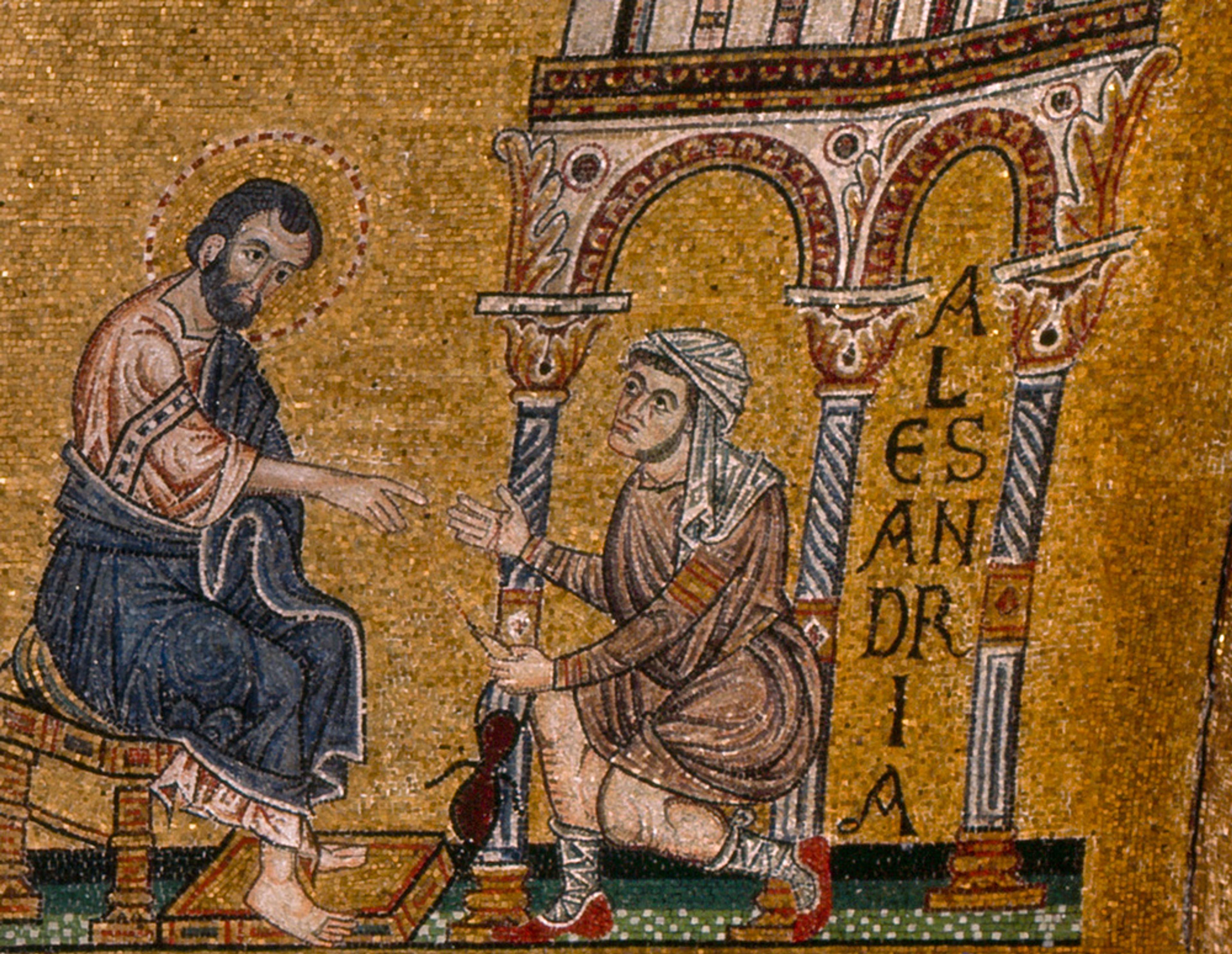
Medieval art didn’t just show bodies—it weaponized them. Saints bled, kings were anointed, and crucified figures drooled crimson rivulets down wooden crosses. These weren't mere illustrations. They were theological arguments carved in stone, painted in tempera, and gilded in gold. The body, in medieval visual culture, became a contested site where divine will met earthly authority—where theology and politics fused into a single, inescapable image.
This wasn’t accidental. Every swollen vein on a martyr’s arm, every elongated finger of Christ pointing toward judgment, carried coded meaning. The body was no neutral form. It was a battlefield of ideology, a canvas for doctrine, and a tool of control.
The Sacred Body: Flesh as Divine Interface
In the medieval worldview, the physical body was not separate from the spiritual—it was its primary vessel. The Incarnation—the belief that God became flesh in Jesus Christ—elevated the human form to a theological necessity. You couldn't depict God as a cloud or a voice and expect worshipers to connect. You had to show God as man.
This is why crucifixion scenes dominate medieval art. Christ’s suffering body wasn’t just a symbol of sacrifice—it was the central mechanism of salvation. The more graphic, the more effective. In Ottonian and Romanesque art, Christ is often shown alive on the cross, eyes open, torso tensed—Dominus regit me, the Lord reigning in death. His body isn’t broken; it’s in control. This theological statement—Christ as sovereign even in suffering—was reinforced through stylized, deliberate bodily presentation.
Take the Gero Crucifix (c. 970, Cologne Cathedral). Unlike later, more naturalistic depictions, this wooden figure emphasizes weight, pain, and realism. The sag of the abdomen, the swollen feet, the drooping head—all signal real suffering. But the open eyes? Those are the key. They indicate awareness, divinity, and presence. The body hurts, but the soul reigns.
This wasn’t just art for contemplation. It was active theology. The faithful didn’t just look at it—they were meant to feel the weight of salvation in their own bodies, to understand that their flesh, though sinful, could also be redeemed.
Saints’ Bodies: Miracles, Relics, and Political Theater
If Christ’s body was the ultimate theological anchor, saints’ bodies were its earthly extensions. The veneration of relics—bones, hair, fragments of clothing—wasn’t superstition. It was a physical manifestation of spiritual power. And medieval art made these bodies visible, even when the actual remains were locked in ornate caskets.
Look at the Reliquary of Sainte-Foy in Conques, France. The golden statue houses a skull, but the face is youthful, serene, almost otherworldly. The body here is both real (the relic inside) and symbolic (the golden effigy). Pilgrims didn’t come just to see it—they came to be healed, to touch the power radiating from that fused image of flesh and metal.
But relics weren’t just spiritual. They were political. Towns competed to own them. Monasteries grew wealthy from pilgrimage traffic. Art became propaganda. The body of the saint, rendered in gold and gemstones, wasn’t just holy—it was a territorial claim. Whoever held the body held divine favor, and with it, influence.
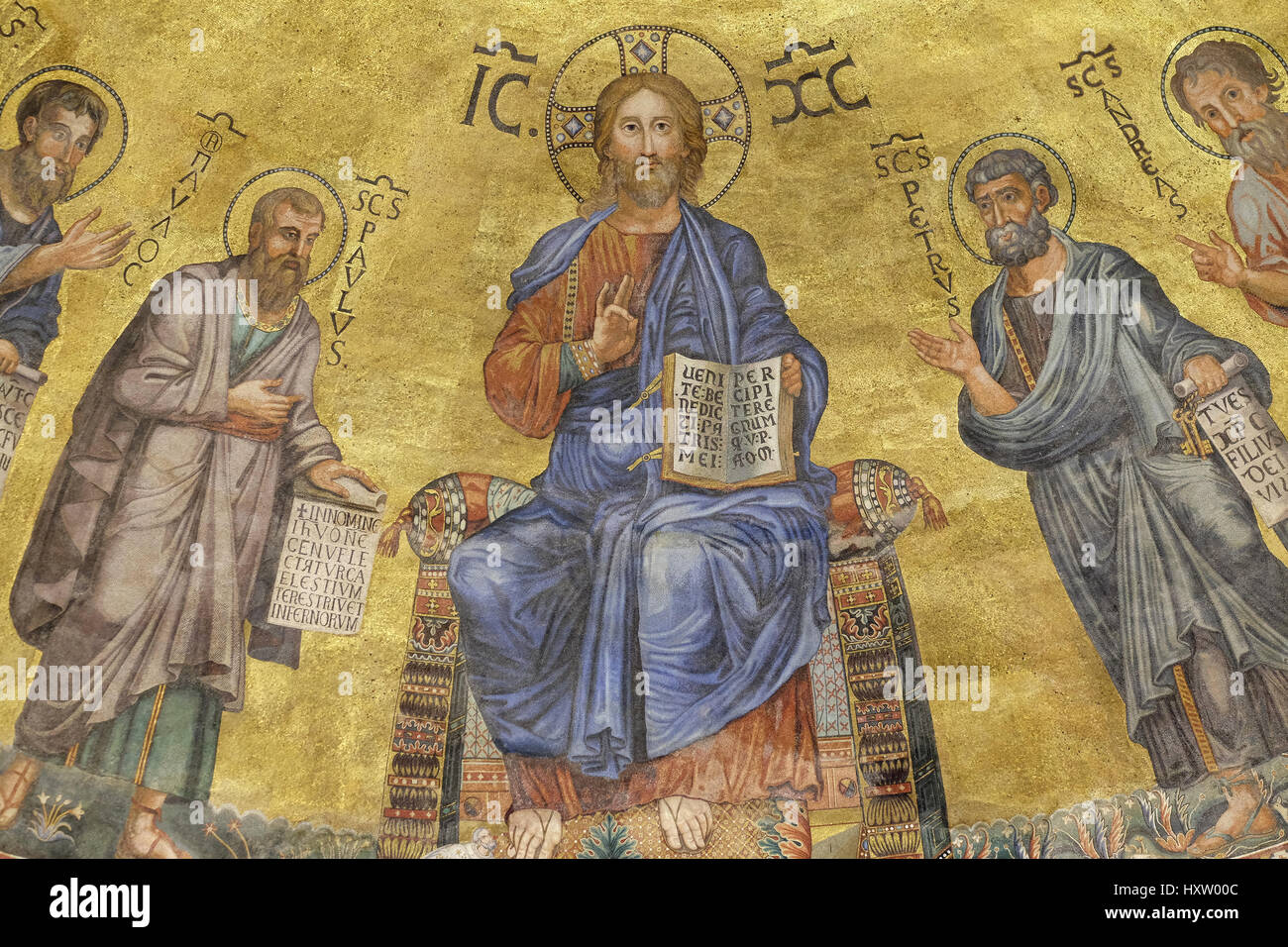
When Saint Thomas Becket was murdered in 1170, his body was quickly turned into both a political statement and a sacred object. Illuminated manuscripts show his martyrdom—sword slicing through skull, blood spurting like wine from a chalice. These images didn’t just commemorate; they accused. The king (Henry II) was indirectly damned through the visual narrative. Becket’s body, in art and in relic, became a rebuke to royal overreach.
Royal Bodies: Anointed Flesh and Divine Right
Kings, too, were depicted as bodily conduits of divine will. The coronation wasn’t just a ceremony—it was a sacrament. The anointing with holy oil transformed the king’s flesh into something set apart. And medieval art reflected this.
In the Coronation of Charlemagne (from the Vatican Gospels of 877), the emperor kneels before Pope Leo III. The moment is charged—papal authority crowning imperial power. But notice the posture, the lighting, the halos. Charlemagne is shown not just as ruler, but as chosen. His body, though mortal, is framed as sacred.
Later, in the Sainte-Chapelle in Paris, King Louis IX built a chapel to house Christ’s Crown of Thorns. Why? Because possessing the relic elevated his own body—his kingship—to a higher spiritual plane. The chapel’s stained glass doesn’t just tell biblical stories; it traces the relic’s journey to Paris, positioning Louis as the final, worthy guardian. His body, by proximity to the sacred, becomes sanctified.
This fusion of divine and royal flesh was essential propaganda. Rebellion against the king wasn’t just treason—it was sacrilege. His body, anointed and protected, was not to be touched. Art reinforced this. Illuminated manuscripts, tapestries, and seals all showed kings with halos, seated on thrones like saints, surrounded by angels.
Gender, Purity, and the Female Body in Theology
The female body occupied a fraught space in medieval theology—and art mirrored this tension. On one hand, the Virgin Mary was exalted above all creation. On the other, Eve was blamed for humanity’s fall. The female form, in art, had to navigate this duality.
Mary is consistently shown with a covered head, hands clasped, gaze downcast. Her body is soft, enclosed, passive—except when she holds the Christ child. Then, her lap becomes an altar. In the Enthroned Madonna and Child by Cimabue (c. 1280), Mary’s throne resembles an architectural shrine. She isn’t just a mother—she’s the Theotokos, God-bearer. Her body, in this moment, is the meeting point of heaven and earth.
But other female figures were not so glorified. Mary Magdalene, often depicted with long, loose hair, represented penitent sexuality. Her body, once “fallen,” is now redeemed through tears and devotion. In Giotto’s Lamentation, she cradles Christ’s head, her hair mingling with his blood—symbolic purification.
Meanwhile, female saints like Agnes or Cecilia were shown young, pure, and often with their hands over their breasts—protecting their virginity even in death. Their bodies were sites of resistance, not desire. Art minimized their physicality while maximizing their spiritual endurance.
This duality reveals how medieval art used the female body to reinforce theological boundaries: purity vs. sin, obedience vs. temptation. The body wasn’t just shaped by doctrine—it was shaping it.
Disability and Deformity: The Body as Moral Landscape
In medieval art, physical difference wasn’t neutral. It was coded. Hunchbacks, lepers, the blind—they weren’t just depicted; they were interpreted.
Lepers, for instance, were often shown with cracked skin and missing fingers. But in religious art, they weren’t always pitied. In scenes of Christ healing the leper (Mark 1:40–45), the man’s condition is graphic—yet his faith is heroic. His body, though corrupted, becomes a site of divine touch.
Conversely, demons and enemies of the Church were frequently shown with distorted features—twisted limbs, animalistic faces. Think of the grotesques on Gothic cathedrals. These weren’t just decoration. They were visual theology: sin deforms the body. The soul’s corruption leaks into flesh.
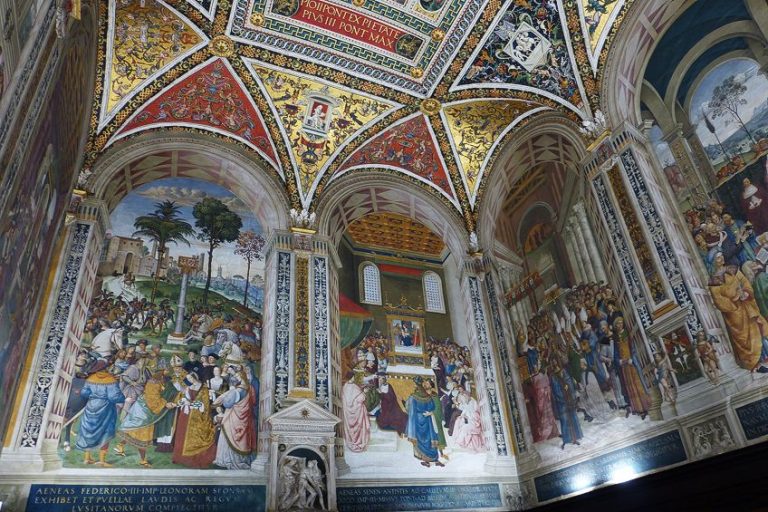
Even illness had symbolic weight. In depictions of Saint Roch, he pulls back his robe to reveal a plague sore on his thigh. The wound isn’t hidden—it’s highlighted. It’s proof of suffering, yes, but also of intercessory power. His body, marked by disease, becomes a conduit for healing others.
This wasn’t medical realism. It was moral mapping. The body’s condition reflected its spiritual state—and art made that visible.
Art as Control: Who Gets to Represent the Body?
Ultimately, who could depict the body—and how—was a power struggle. The Church regulated images through doctrines like iconoclasm and later, the decisions of the Council of Trent (though post-medieval, it reflects earlier tensions). But even within accepted art, choices were political.
Monasteries produced illuminated manuscripts that showed monks with idealized, serene faces—bodies disciplined by prayer. Meanwhile, peasants in marginalia were often grotesque: fat, naked, engaged in crude acts. Their bodies were comic, chaotic, less human.
This contrast wasn’t accidental. It reinforced hierarchy. The holy body was controlled, obedient, thin. The secular body was unruly, sexual, excessive. Art didn’t just reflect society—it policed it.
Even Christ’s body was subject to control. In the East, icons followed strict canons—no innovation. In the West, naturalism grew, but always within theological bounds. The body could suffer, but not too much. It could be beautiful, but not too sensual. Every brushstroke answered to doctrine.
The Legacy: Why Medieval Bodies Still Matter
Today, we still live with the medieval understanding of the body as a symbolic battleground. Think of political protests where bodies are chained to gates, or religious figures fasting as spiritual resistance. The idea that the body can mean something beyond biology—is still with us.
In museums, medieval art draws crowds not because it’s pretty, but because it’s intense. The cracked Christ, the bleeding saint, the crowned king—these images don’t let you look away. They force a confrontation: What does the body represent in your world?
For artists, historians, or anyone engaging with power and belief, medieval art offers a masterclass. It shows how imagery can sanctify, condemn, elevate, or destroy—simply by how a hand is posed, a wound rendered, a crown placed.
To study medieval art is to understand that the body has never been just flesh. It’s always been a text—read, interpreted, and fought over.
Final Insight
Don’t view medieval art as primitive. View it as precise. Every fold of cloth, every drop of paint on a wound, was a deliberate act of theology and politics. The next time you see a crucifix or a royal portrait from the Middle Ages, ask: Whose power is being asserted here? And whose body is being used to assert it?
Your answer will reveal more than art history—it will reveal how belief shapes the very form of human life.
FAQ
Why were medieval depictions of Christ so graphic? Graphic depictions emphasized the reality of Christ’s sacrifice, reinforcing the theological idea that salvation came through physical suffering.
Did medieval people believe relics had real power? Yes—relics were seen as conduits of divine grace, capable of healing and intercession. Their power was both spiritual and social.
How did art reinforce royal authority? Kings were shown with halos, divine light, or receiving crowns from saints—linking their rule directly to God’s will.
Why were female saints often shown covering their bodies? It symbolized purity and modesty, aligning them with Mary and distancing them from Eve’s association with temptation.
Were disabled people always portrayed negatively? Not always—some, like Saint Lazarus or Saint Roch, were shown as holy through their suffering, turning disability into spiritual strength.
Did the Church control all medieval art? Mostly. Major commissions came from religious institutions, and doctrine heavily influenced how figures, especially sacred ones, could be depicted.
How did political power influence depictions of the body? Rulers used art to sanctify their bodies, while saints’ bodies were used to challenge corrupt authority—making the body a tool of both legitimacy and resistance.
FAQ
What should you look for in How Medieval Art Turned the Body Into Sacred Power? Focus on relevance, practical value, and how well the solution matches real user intent.
Is How Medieval Art Turned the Body Into Sacred Power suitable for beginners? That depends on the workflow, but a clear step-by-step approach usually makes it easier to start.
How do you compare options around How Medieval Art Turned the Body Into Sacred Power? Compare features, trust signals, limitations, pricing, and ease of implementation.
What mistakes should you avoid? Avoid generic choices, weak validation, and decisions based only on marketing claims.
What is the next best step? Shortlist the most relevant options, validate them quickly, and refine from real-world results.