Growing up in a crowded household isn’t just about sharing bathrooms and hand-me-down clothes—it’s a crash course in survival, timing, and self-awareness. When Bob Hope quipped, “I grew up with six brothers—that’s how I learned to dance,” he wasn’t just delivering a punchline. He was revealing the sharp-edged wisdom beneath decades of laughter. This single line holds lessons on relationships, the grace of aging, and the delicate choreography of politics—each step shaped by competition, compromise, and comic timing.
Hope, a titan of 20th-century entertainment, mastered the art of saying profound things with a wink. His humor wasn’t escape—it was insight disguised as entertainment. And in that seemingly throwaway joke about brotherhood and dance, we find a blueprint for navigating life’s most complex interactions.
Let’s break down why this quote still resonates—and how its deeper truths apply far beyond the family dinner table.
The Hidden Curriculum of Sibling Rivalry
Bob Hope was one of seven boys. In a home with no personal space and constant competition for attention, humor became currency. You didn’t just speak—you performed. You didn’t argue—you outmaneuvered. And if you wanted to get through the day without getting shoved into a closet, you learned to move fast.
“I learned to dance” wasn’t about rhythm. It was about strategy.
In tight sibling dynamics, survival means reading the room. You develop emotional radar. You learn when to step forward and when to step aside. This kind of upbringing forces early emotional intelligence—often more than any formal education can teach.
Real-life application: People who grow up in large, competitive families often excel in high-pressure environments—sales, leadership, negotiation. They’re used to being interrupted, challenged, and having to earn their space. That’s not just resilience. It’s adaptive communication.
But there’s a downside: - Some develop lifelong people-pleasing habits - Others default to sarcasm as a defense mechanism - Many struggle with vulnerability, having learned to armor up early
Hope used comedy as both shield and sword. His dance wasn’t literal—it was the rhythm of staying one step ahead, emotionally and verbally.
Relationships: Timing Is Everything
Hope’s quote speaks directly to the rhythm of human connection. In relationships, timing is everything. Say the wrong thing at the wrong moment, and you’re out of step. Deliver the right joke after a long silence? You’re back in sync.
Romantic partners, friends, coworkers—none of them want a bulldozer. They want a partner who can move with them, adapt, pivot.
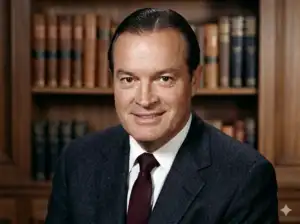
Bob Hope’s marriage to Dolores Hope lasted 69 years—a rarity in Hollywood. While he joked about marriage on stage (“I’m so ugly, the doctor slapped my father when I was born”), offstage, he maintained a stable, private union. His ability to “dance” wasn’t just for survival among brothers—it served him in love.
What modern relationships can learn from Hope’s wit: - Humor defuses tension—but only when it’s kind, not cutting - Knowing when to speak and when to stay silent is a form of emotional grace - Long-term relationships require rehearsal, like a well-choreographed routine
Too many couples treat conflict like a debate. Hope would’ve treated it like a duet—listening, adjusting, improvising.
Aging with Grace—And a Punchline
Bob Hope performed well into his 80s. At 85, he toured military bases. At 90, he still wrote jokes. He never retired. When asked about aging, he said: “You know you’re getting old when the candles cost more than the cake.”
His humor about age wasn’t denial—it was mastery. By laughing at decline, he disarmed it.
Hope’s brotherhood lesson applies here, too: In a house full of brothers, you either adapt or get left behind. The same is true of aging. You don’t fight time—you learn to dance with it.
Practical takeaways for graceful aging: - Stay mentally active—joke writing is cognitive calisthenics - Keep performing, in whatever form matters to you (grandparenting, mentoring, creating) - Use humor to reframe limitations. Can’t run? Tell a joke about it.
People who age well aren’t necessarily the healthiest—they’re the most adaptable. They’ve learned the steps through years of trial, error, and quick recoveries.
Hope’s legacy isn’t just his USO tours or film career. It’s the proof that joy can be a discipline, not just a mood.
Politics: The Art of the Safe Jab
Bob Hope was famously bipartisan in his political humor. He mocked presidents from FDR to Clinton—but never in a way that burned bridges. His jokes landed because they were light, timely, and rarely personal.
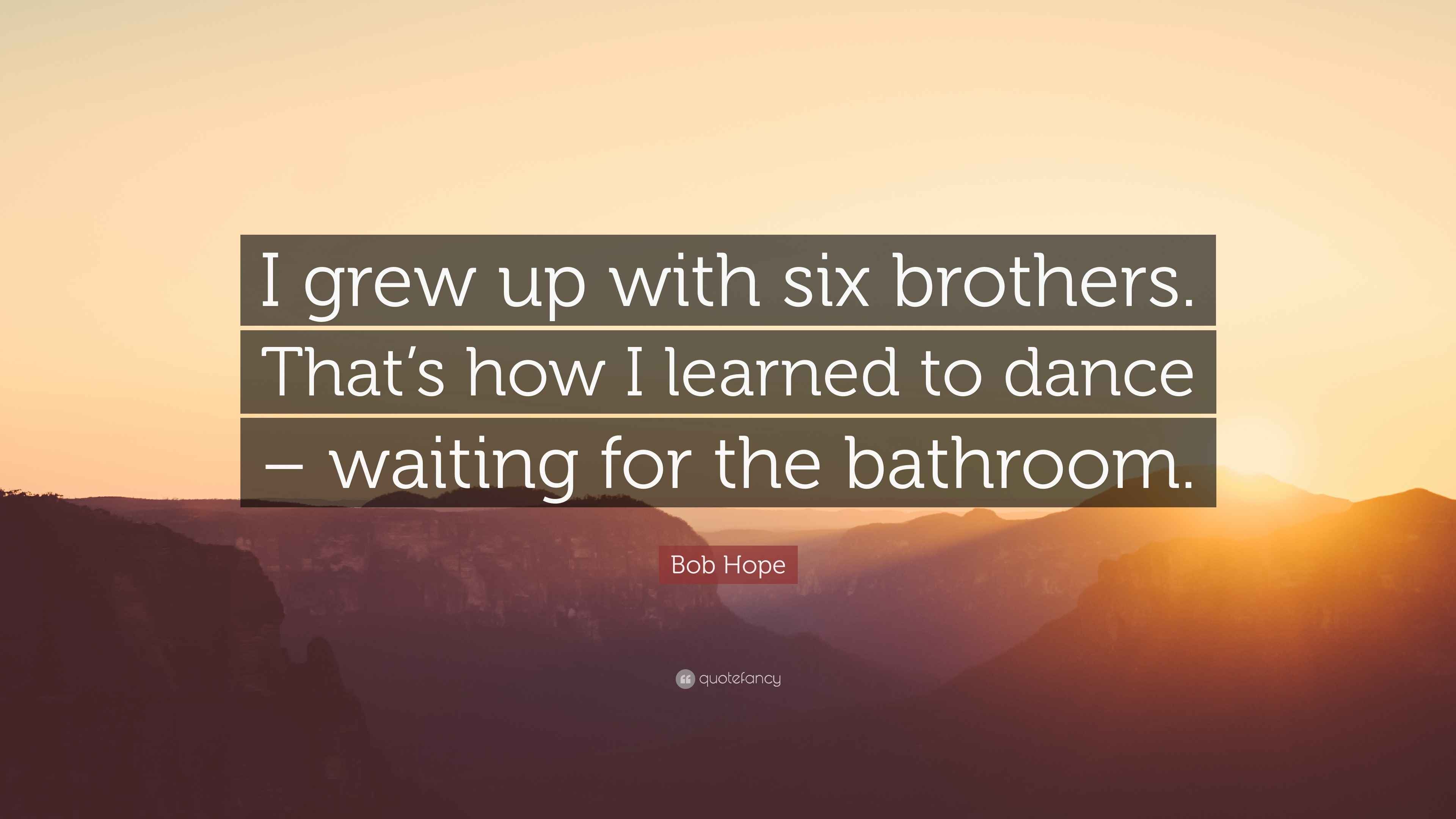
When he said, “I grew up with six brothers—that’s how I learned to dance,” he could’ve been describing his approach to political comedy. In a crowded room of egos, you don’t charge through—you glide.
Modern political discourse often lacks this finesse. Social media rewards outrage, not timing. Punches are thrown, not parried.
Why Hope’s style still works: - He punched up, not down - His jokes highlighted absurdity, not malice - He performed for troops across ideologies—unity was the goal
Hope understood that politics, like family, requires coexistence. You don’t have to agree with someone to share a table—or a laugh.
Today’s leaders and commentators could learn from his rhythm: - Pause before reacting - Use satire to connect, not divide - Know when to step forward—and when to let someone else take the lead
In a world of viral fury, the ability to dance—lightly, wisely—is revolutionary.
The Legacy of a One-Liner
It’s easy to dismiss a joke as throwaway. But the best ones endure because they’re compressed truth.
“I grew up with six brothers—that’s how I learned to dance” is a masterclass in storytelling economy. In 13 words, Hope tells us: - Family shapes character - Competition builds skill - Survival requires agility - Humor is a tool for harmony
This isn’t just nostalgia. It’s a framework.
Common mistake: People hear the joke and laugh—but miss the lesson. They focus on the humor, not the habit. They want the punchline without practicing the timing.
But real growth comes from repetition: - In relationships, we learn to listen before reacting - In aging, we adapt to new roles - In politics, we choose when to engage and when to deflect
Each is a form of dance.
Why This Quote Still Matters
We live in a world of digital isolation. Families are smaller. Attention spans shorter. Conflict is instant, unforgiving.
Hope’s quote reminds us that character is forged in friction.
You don’t learn empathy in silence. You learn it by fighting for bathroom time. You don’t master timing in solitude. You learn it by dodging elbows at dinner.
The “dance” isn’t optional. It’s essential.
Modern equivalents of “six brothers”: - Remote teams with clashing time zones - Online communities with volatile debates - Multigenerational households in urban centers
Each demands the same skills Hope developed: awareness, adaptability, timing.
Applying Hope’s Wisdom Today
You don’t need six brothers to learn the dance—but you do need to practice it.
- Daily habits inspired by Bob Hope’s life:
- Listen like you’re in a crowded room – Wait for your opening. Don’t interrupt.
- Use humor to ease tension – Not to dismiss, but to disarm.
- Stay relevant through reinvention – Hope moved from vaudeville to TV to USO tours. Adapt or fade.
- Age with curiosity – He kept writing jokes at 90. What’s your version?
- Engage politics with levity – Mock the policy, not the person.
These aren’t soft skills. They’re survival tools.
Final Thought: Keep Moving
Bob Hope didn’t just survive a chaotic childhood—he used it. He turned the chaos into rhythm, rivalry into timing, and pain into punchlines.
When life crowds in—when relationships strain, age advances, or politics rage—remember: the goal isn’t to stand your ground. It’s to keep moving.
Dance.
Frequently Asked Questions
What did Bob Hope mean by “I learned to dance” with six brothers? He meant that growing up in a competitive, chaotic household taught him timing, awareness, and how to navigate conflict—skills he used in comedy and life.
How long was Bob Hope married? He was married to Dolores Hope for 69 years, from 1934 until his death in 2003.
Did Bob Hope serve in the military? No, he was classified 4-F during WWII due to a perforated eardrum. But he supported troops through decades of USO tours.
What was Bob Hope’s most famous quote? While opinions vary, “I grew up with six brothers—that’s how I learned to dance” remains one of his most revealing and enduring lines.
How did Bob Hope stay funny as he aged? He stayed current, wrote daily, and used self-deprecating humor about age—turning weakness into relatable comedy.
Was Bob Hope political? He was conservative-leaning but kept his comedy broad and accessible, poking fun at all presidents without alienating audiences.
What can modern comedians learn from Bob Hope? The power of timing, the value of unity through humor, and the importance of staying relevant across generations.
FAQ
What should you look for in Bob Hope’s Best Life Lessons on Relationships, Age, and Politics? Focus on relevance, practical value, and how well the solution matches real user intent.
Is Bob Hope’s Best Life Lessons on Relationships, Age, and Politics suitable for beginners? That depends on the workflow, but a clear step-by-step approach usually makes it easier to start.
How do you compare options around Bob Hope’s Best Life Lessons on Relationships, Age, and Politics? Compare features, trust signals, limitations, pricing, and ease of implementation.
What mistakes should you avoid? Avoid generic choices, weak validation, and decisions based only on marketing claims.
What is the next best step? Shortlist the most relevant options, validate them quickly, and refine from real-world results.